
Walk into any garden centre today and you’ll see the words “peat-free” almost everywhere.
Potting composts, seed composts, grow bags, houseplant mixes and vegetable composts are increasingly being sold without peat. For many gardeners, however, this has created as many questions as answers.
Does peat-free compost actually work?
Why do some gardeners love it whilst others struggle with it?
And perhaps most importantly, which peat-free compost is right for the plants you’re growing?
After speaking with thousands of gardeners over the years, we’ve found that many frustrations blamed on peat-free compost aren’t actually caused by the compost at all. More often than not, they’re linked to watering habits, plant choice, container size or simply using the wrong growing medium for the job.
The reality is that modern peat free growing media can produce outstanding results when matched to the right plants and used correctly.
The Question Most Gardeners Are Really Asking
When someone searches for “best peat-free compost”, what they’re usually asking is:
“Will my plants grow as well as they did before?”
It’s a fair question.
After all, nobody wants to spend time raising seedlings, caring for houseplants or growing vegetables only to be disappointed by poor results.
The good news is that many gardeners are already growing exceptional plants using peat-free media, from giant tomato crops and productive chilli plants to thriving Monsteras and spectacular hanging baskets.
The key is understanding what makes a good growing medium in the first place.
Healthy Plants Start With Healthy Roots
When a tomato plant produces hundreds of fruits, when a Monstera sends out huge leaves, or when a chilli plant becomes loaded with peppers, the success usually begins below the surface.
Roots are constantly searching for three things:
- Water
- Oxygen
- Nutrients
Take away any one of those and plants begin to struggle.
This is where growing media matters.
A good compost is not simply something that holds a plant upright. It acts as the environment in which roots live every day.
The best growing media allow roots to access moisture whilst still providing enough airflow to prevent suffocation.
Too wet and roots struggle.
Too dry and growth slows.
Too compact and plants become stressed.
The challenge is finding the balance.
Why Coir Has Become So Popular
One reason coir has become increasingly popular amongst gardeners is because of that balance.
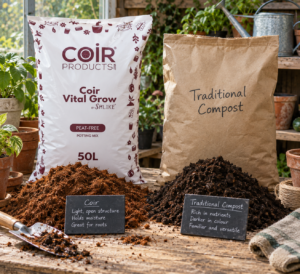
Made from coconut husk fibre, coir naturally creates tiny air spaces throughout the growing medium whilst still retaining moisture around the roots.
This combination is particularly useful in containers, grow bags and houseplants where roots have limited space.
Many gardeners first notice the difference when lifting a plant from its pot.
Instead of finding dense, compacted compost, they often discover a healthier, more fibrous root system spreading evenly throughout the container.
That’s exactly what gardeners want to see.
Not Every Plant Needs the Same Compost
This is one of the biggest misconceptions in gardening.
Many gardeners buy a single compost and use it for absolutely everything.
In reality, seedlings, tomatoes, chillies and house plants all have slightly different requirements.
A tiny seedling needs something very different from a mature tomato plant carrying several kilograms of fruit.
That is why different growing media exist.
For General Growing
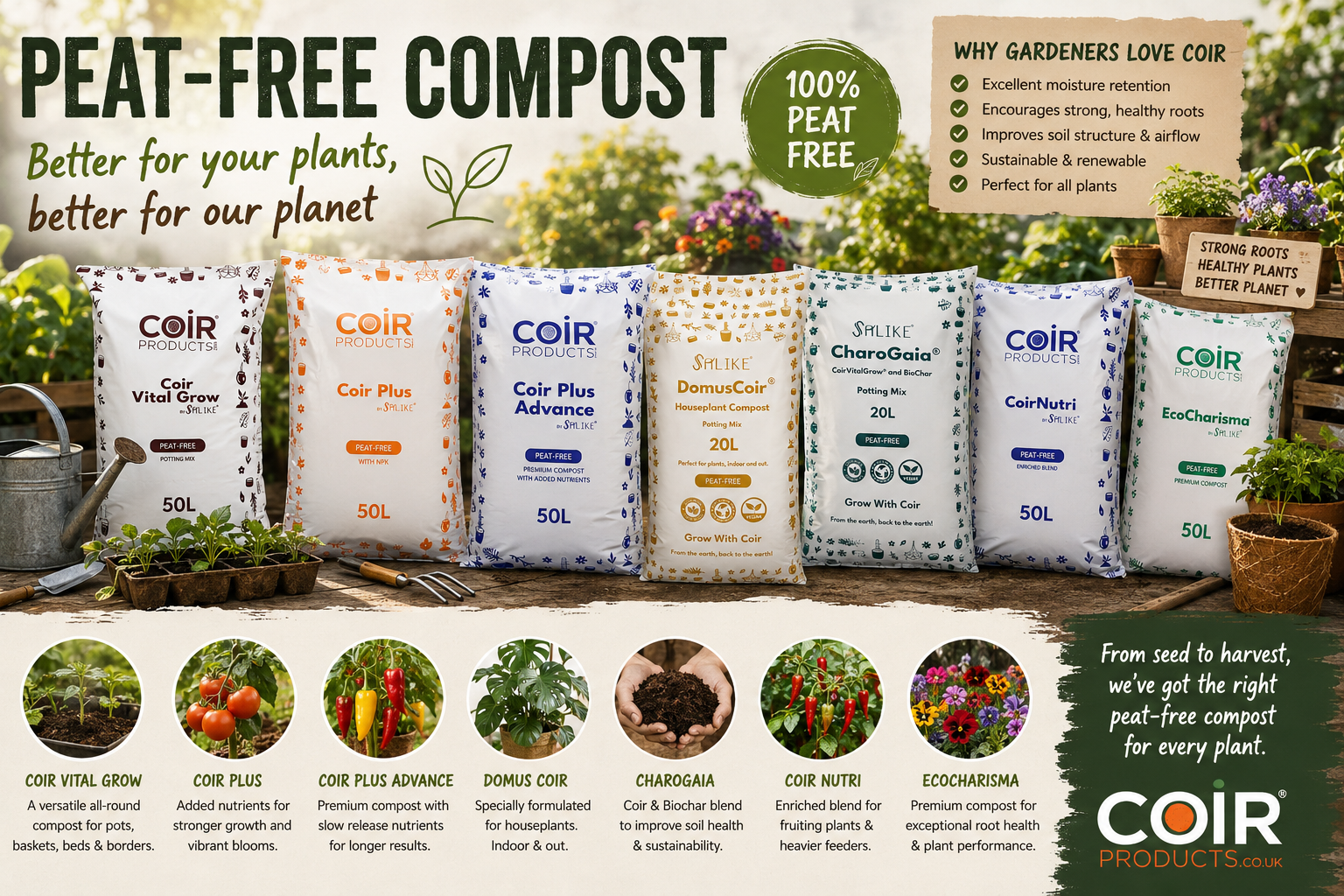
Coir Vital Grow® is often the starting point for gardeners looking for a versatile peat-free growing medium.
Whether you’re filling pots, containers, raised beds or planters, it provides a balanced environment suitable for a wide range of plants.
For Nutrient-Enriched Growing
Some gardeners prefer a growing medium that provides additional nutritional support from the outset.
Coir Plus® and Coir Plus Advance® have been developed with this in mind, helping support vigorous growth throughout the season.
For Houseplants
Indoor plants face a unique challenge.
Unlike garden plants, they spend their entire lives inside containers.
Over time, poorly structured compost can become compacted, reducing airflow around roots.
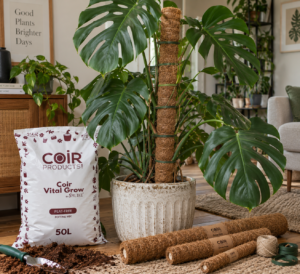
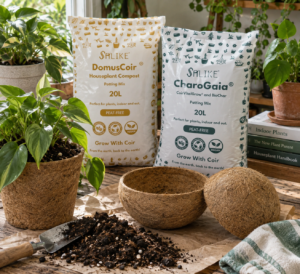
Domus Coir® was developed specifically for indoor growing, helping create a healthier environment for plants such as Monstera, Philodendrons, Pothos and Peace Lilies.
For Advanced Growers
Products such as CharoGaia®, Coir Nutri® and EcoCharisma® offer specialist growing solutions for gardeners seeking additional performance, enhanced soil improvement or nutrient support.
Why Some Gardeners Struggle With Peat-Free Compost
Interestingly, the compost itself is often not the problem.
The most common issues we see are:
Overwatering
Many peat-free growing media retain moisture effectively.
Gardeners who continue watering on the same schedule they used previously can sometimes keep plants too wet.
Underfeeding
Some growers assume compost alone will provide everything plants need throughout the season.
Heavy-feeding crops such as tomatoes, cucumbers and chillies usually require additional feeding as they mature.
Poor Drainage
Even the best compost cannot compensate for a container with inadequate drainage.
Choosing the Wrong Compost
Using a seed compost for mature vegetables or a general compost for specialist plants can sometimes limit performance.
The Future of Gardening Isn’t About Peat
It’s About Growing Better
The conversation around peat-free gardening often focuses on what has been removed.
In reality, most gardeners care about what they can grow.
Can they still produce great tomatoes?
Can they grow healthy houseplants?
Can they enjoy successful hanging baskets and productive vegetables?
The answer is yes.
The secret has always been understanding the needs of the plant and creating the right conditions for roots to thrive.
Get that right and the results above the surface usually take care of themselves.
Final Thoughts
Every gardener eventually learns the same lesson.
Plants don’t grow because of labels on a bag.
They grow because their roots are happy.
Whether you’re sowing seeds, growing vegetables, filling containers or caring for houseplants, the goal remains remarkably simple: provide roots with the right balance of water, air and nutrition.
That’s what good peat-free growing media are designed to do.
And that’s why more gardeners are discovering that peat-free growing isn’t simply an alternative approach.
For many plants, it’s becoming their preferred one.
 Share:

Leave a Reply